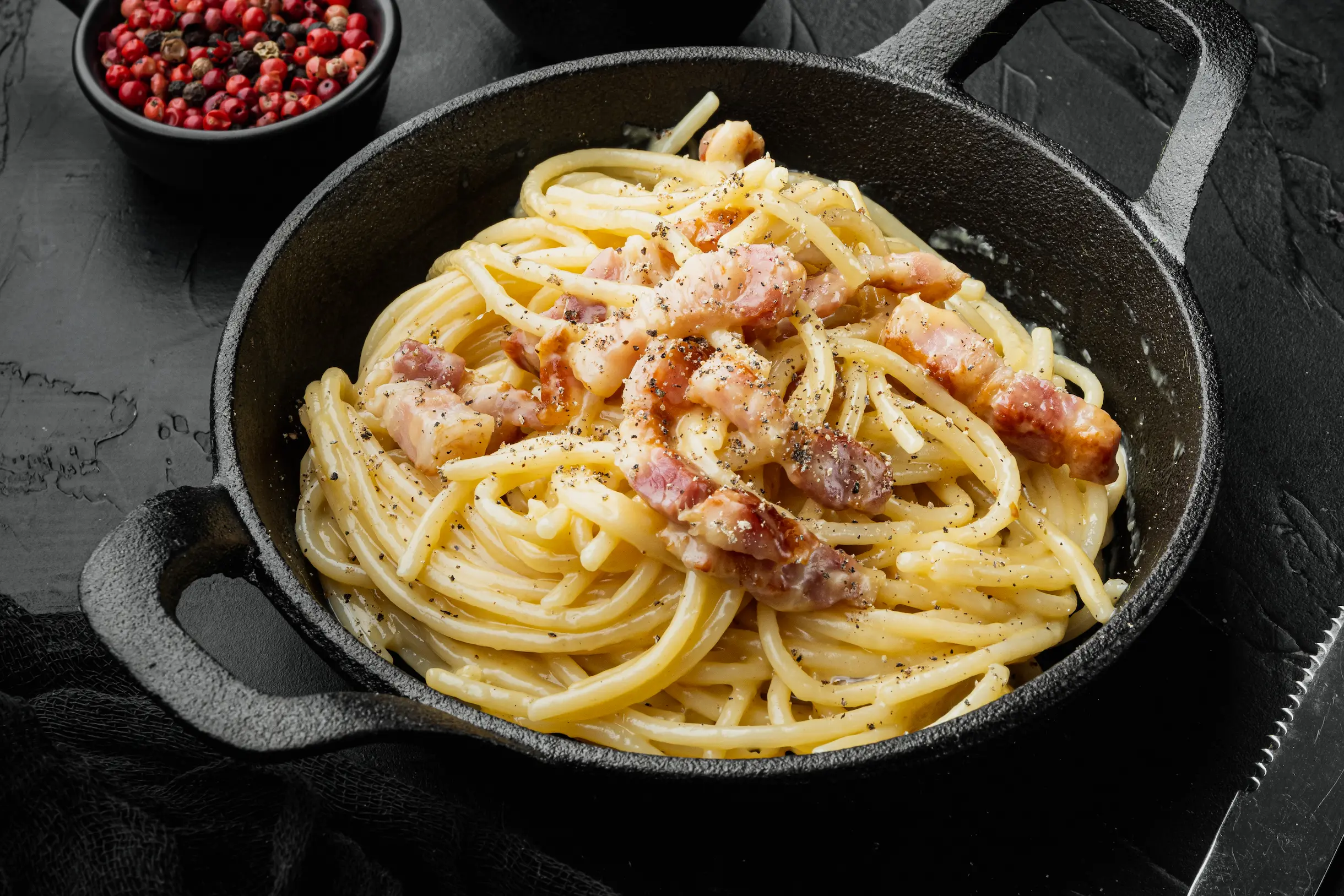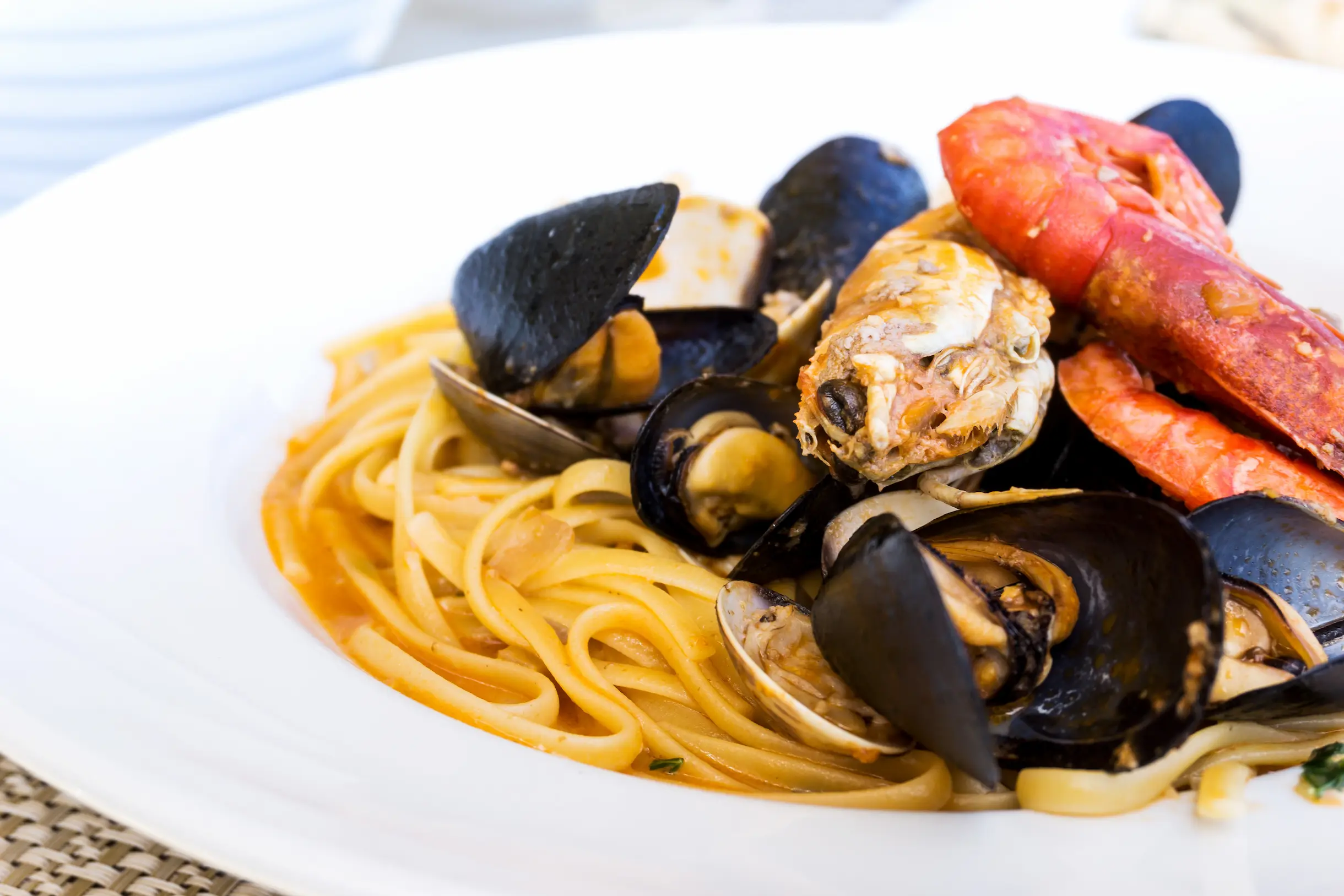
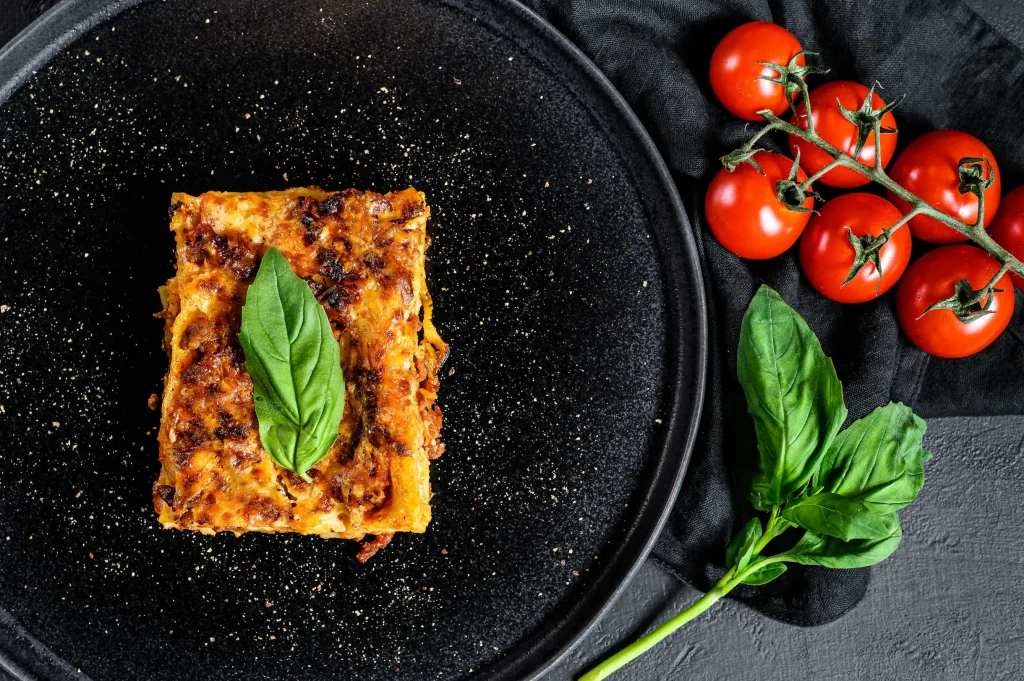
What makes these dishes unforgettable isn’t complexity. It’s simplicity—and that’s where the real magic of Italian cooking begins.
It Starts with the Ingredients
Italian cuisine is deeply rooted in the idea that high-quality ingredients speak for themselves. Rather than layering flavor upon flavor, Italian dishes are often built around just a few core elements—ripe tomatoes, extra virgin olive oil, fresh herbs, handmade pasta, or a slice of aged Parmigiano Reggiano.
In Italy, meals aren’t rushed, and neither are the ingredients. Whether it’s vine-ripened tomatoes from Campania or delicate basil grown in Liguria, what goes into the dish matters just as much as how it’s prepared.
“Simplicity is the ultimate sophistication.” – Leonardo da Vinci
Fewer Ingredients, Bigger Flavor
Take the iconic Cacio e Pepe, for example. It uses just four ingredients—pasta, Pecorino Romano, black pepper, and a bit of pasta water. And yet, the result is rich, comforting, and beautifully balanced. Or the humble Caprese Salad—just tomatoes, mozzarella, basil, and olive oil. No dressing needed. No fuss. Just freshness on a plate.
These dishes prove that less isn’t lacking—it’s intentional.
Technique Over Trends
Italian chefs aren’t chasing the latest kitchen gadget or fusion experiment. Their focus is on mastering time-honored techniques—kneading dough by hand, simmering sauce slowly, and respecting each ingredient’s natural flavor.
Simplicity here isn’t a shortcut—it’s a discipline. It takes skill to let restraint shine, and years of practice to know when to stop adding and start tasting.
Food That Feels Like Home
There’s also an emotional side to Italian simplicity. Meals aren’t just about nourishment—they’re about connection. The act of sharing a simple dish with family or friends, often over laughter and wine, is where Italian food becomes something more: a cultural ritual.
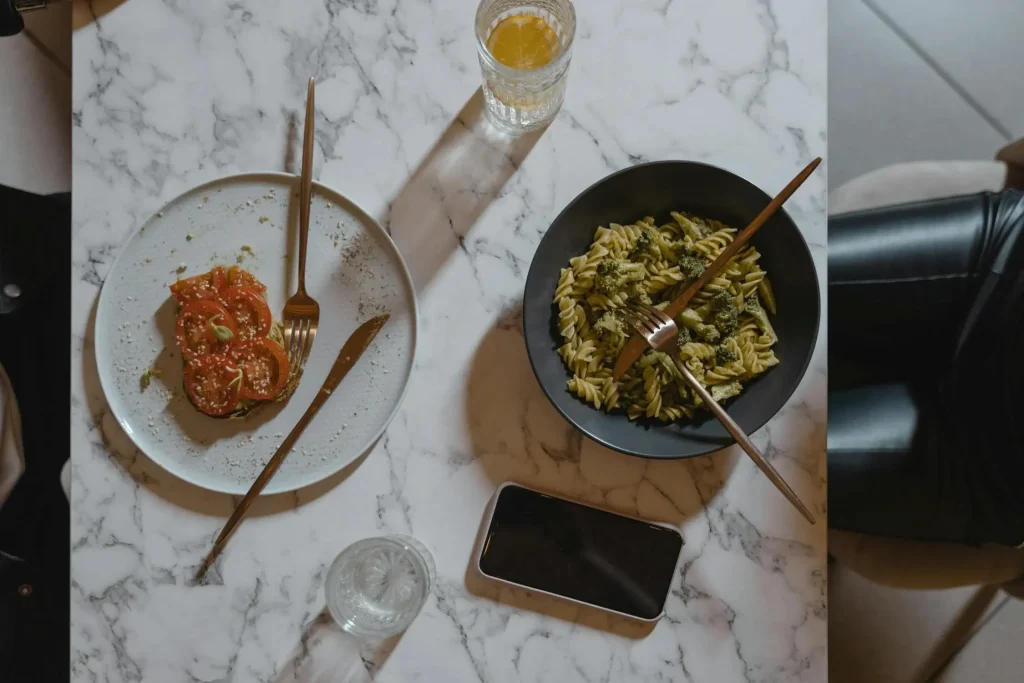
Whether you’re in a countryside trattoria or a modern Italian restaurant, you’ll feel the same philosophy at the core: Good food doesn’t need to be complicated. It just needs to be honest.
Want to cook more like an Italian? Here are a few simple rules to live (and cook) by:
Want to cook more like an Italian? Here are a few simple rules to live (and cook) by:
- Buy the best ingredients you can afford.
- Let each component shine. Don’t over-season or over-cook.
- Learn to love the basics. Master one good tomato sauce before jumping into anything fancy.
- Enjoy the process. Cooking should be a joy, not a chore.
In the End, Less Is More
In a world obsessed with “more”—more ingredients, more fusion, more extravagance—Italian cuisine reminds us of the beauty in simplicity. It’s a celebration of restraint, of confidence, and of a deep-rooted love for real food, cooked with care.
So the next time you’re in the kitchen, ask yourself: What can I leave out?
Because sometimes, the less you add… the more Italian it becomes.